


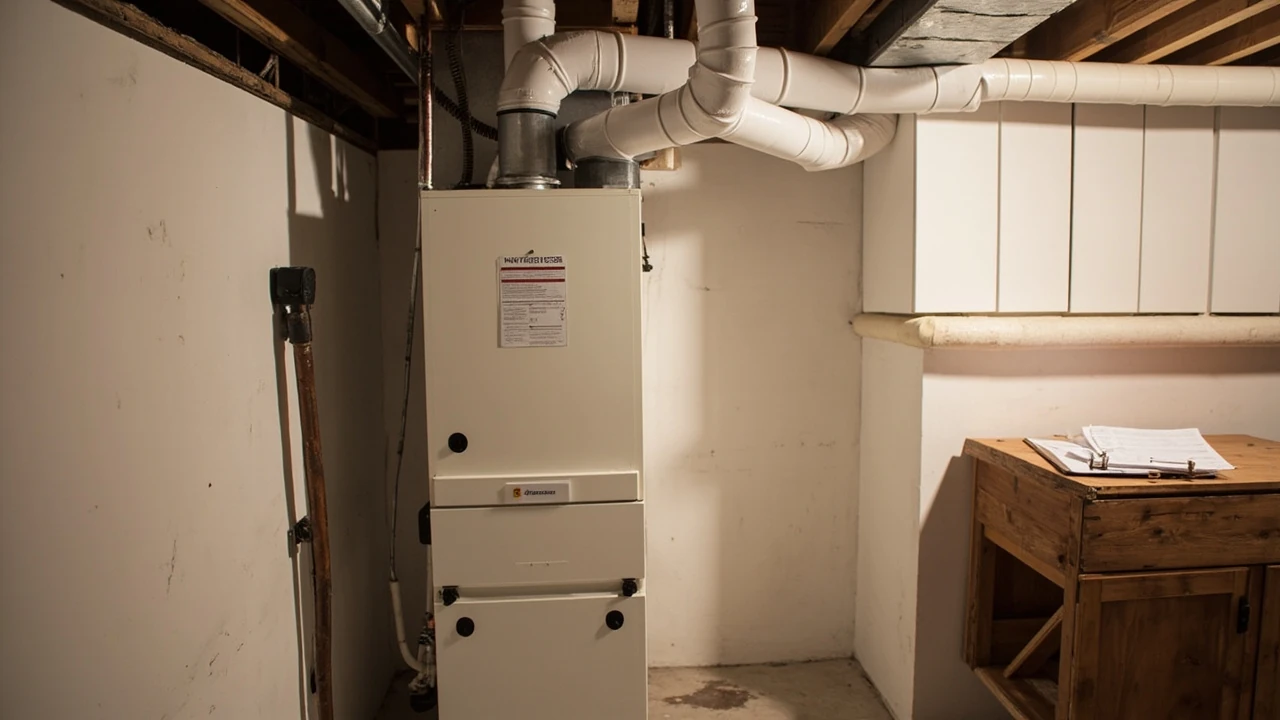
How much is a new furnace in 2026
A complete furnace replacement on a forced-air system in a typical U.S. single-family home lands between about $4,500 and $12,000 all-in for most projects, and serious whole-system overhauls with new ductwork, electrical, or zoning can run from roughly $8,000 up to $20,000 or more. That range sounds wide because the answer depends on fuel type, efficiency tier, the size of the home, and how much of the surrounding equipment the installer has to touch. Asking “how much is a new furnace” without a few home details is a bit like asking how much a car costs: the engine, the trim level, and the labor change everything.
This guide walks through the realistic price ranges a homeowner should plan around, the variables that swing the number, and the questions worth asking a contractor before signing a quote. It draws on widely reported manufacturer and installer pricing patterns, public utility rebate programs, and standard HVAC sizing practice rather than on a single region’s market, so you can adapt the figures to your own area.
What “new furnace price” actually includes
Quotes for a furnace project are usually split into the equipment, the labor to install it, and the “extras” that only show up once the old unit is pulled out. Knowing which bucket each line item falls into makes it much easier to compare two bids that look different on the surface.
- Equipment: the furnace cabinet, heat exchanger, burner, inducer motor, control board, and any blowers.
- Labor: removal of the old furnace, setting the new one, gas and electrical connections, flue and intake piping, start-up, and commissioning.
- Accessories: new thermostat, air filter cabinet, condensate pump, gas line upsizing, electric circuit, or a fresh flue liner.
- Code-required corrections: items the installer must fix to meet current code, like a flue that no longer meets clearance rules or a missing sediment trap on the gas line.
- Optional upgrades: high-efficiency filtration, humidifier, dehumidifier, zoning dampers, smart thermostat integration, and extended labor warranties.
A bid that only lists the equipment price is rarely the total project cost. A bid that lists equipment, labor, permits, and line-itemized accessories is the one you can actually evaluate against another offer.
Furnace prices by fuel type
Fuel type is the biggest single driver of both equipment price and operating cost. The table below summarizes what homeowners typically see in mainstream U.S. markets for mid- and high-efficiency equipment, before labor. Actual quotes vary with region, supply, and installer.
| Fuel type | Common efficiency range | Equipment price range | Installed price range | Best fit |
|---|---|---|---|---|
| Natural gas | 80% to 98% AFUE | $1,800 – $6,500 | $4,500 – $12,000 | Homes with an existing gas line in cold and mixed climates |
| Propane (LP) | 80% to 98% AFUE | $2,200 – $7,500 | $5,000 – $13,500 | Rural homes without natural gas service |
| Electric (air handler + strip heat, or electric furnace) | 100% efficient at point of use | $1,200 – $3,800 | $3,500 – $9,000 | Mild climates, homes with low off-peak rates, or all-electric retrofits |
| Oil | 80% to 86% AFUE (common); up to 95% for condensing oil | $2,500 – $7,000 | $5,500 – $14,000 | Older homes in the Northeast with existing oil tanks and chimneys |
| Dual fuel (gas furnace + heat pump) | Heat pump HSPF2 + gas backup | $6,000 – $14,000 combined | $12,000 – $25,000+ | Homes in mixed climates that want a heat pump for mild weather and a furnace for cold snaps |
The installed ranges include typical labor, venting materials, and electrical work, but they assume the existing ductwork, gas service, and electrical service are in usable condition. A new fuel type, such as converting from oil to gas, adds the cost of running a gas line from the meter and possibly upgrading the meter itself.
What AFUE means and why it changes the price
AFUE, or Annual Fuel Utilization Efficiency, is the ratio of heat delivered to the home compared with the fuel the furnace burns. An 80% AFUE furnace vents about 20% of the heat up the flue. A 96% condensing furnace captures most of that waste heat and vents cooler, acidic condensate instead. Higher AFUE units cost more up front and usually pay back the premium over the life of the equipment through lower fuel bills.
| Efficiency tier | AFUE | Typical equipment price | Who it makes sense for |
|---|---|---|---|
| Standard | 80% | $ | Replacement where a metal flue is already in place and budget is the priority |
| Mid | 90% to 95% | $$ | Most homeowners replacing a worn-out system who want a balance of cost and savings |
| High | 96% to 98.5% | $$$ | Cold climates, high fuel prices, and homeowners who plan to stay in the home past the payback window |
One important code note: in many U.S. jurisdictions, a new installation or fuel conversion to a high-efficiency gas furnace requires direct-vent (sealed combustion) piping rather than a traditional metal flue. The PVC intake and exhaust run is included in the typical install range, but a long, complex vertical run can add several hundred dollars in materials and labor.
Sizing and how it shapes the quote
Furnaces are sized in BTUs of input, and an oversized unit costs more to buy, cycles on and off more often, and leaves rooms feeling drafty. An undersized unit runs constantly, struggles on cold days, and shortens its own life. Correct sizing uses a Manual J load calculation, which considers the home’s square footage, insulation, window area, infiltration, climate, and orientation.
- A 1,200 to 1,800 square-foot home in a moderate climate usually needs a 40,000 to 60,000 BTU furnace.
- A 2,000 to 3,000 square-foot home often falls in the 60,000 to 80,000 BTU range.
- A 3,500 square-foot or larger home, or a smaller home with poor insulation and many windows, can need 100,000 BTU or more.
Each step up in capacity typically adds several hundred to a few thousand dollars to the equipment price. Bids that match capacity to the home’s load calculation, rather than to a rule of thumb, are usually a better sign of installer quality.
The line items that quietly drive the bill
Two quotes with the same furnace model can differ by thousands of dollars once the line items below show up. Asking for each item in writing is the single most useful step a homeowner can take.
- Ductwork modifications: new trunks, branches, or returns to match the new air handler. Common in older homes, can add $1,500 to $5,000.
- Electrical work: a dedicated circuit, a new disconnect box, or a panel upgrade if the existing service is undersized. Often $300 to $2,000.
- Gas line work: upsizing a gas line to feed a higher-BTU unit, adding a sediment trap, or running a new line from the meter. Often $300 to $2,500.
- Condensate handling: a condensate pump, neutralizer, or new drain route for high-efficiency units. Often $150 to $600.
- Permits and inspection: charged by the local jurisdiction; commonly $100 to $500.
- Removal and disposal: hauling away the old furnace and any abandoned equipment. Often $200 to $600.
- Thermostat: a basic programmable thermostat may be included; a smart thermostat can add $150 to $400 if not.
When a quote looks much lower than its peers, the missing line items are usually hiding in the small print. A short, itemized bid is almost always a better deal than a round number with vague wording, even if the round number feels easier to approve.
Heat pumps vs. furnaces and when a hybrid makes sense
A heat pump and a furnace are not direct substitutes in most U.S. climates. A heat pump moves heat from outside air into the home and works efficiently in mild weather, but its output drops as outdoor temperatures fall. A gas or oil furnace generates heat on demand, which is why many homes use a furnace as the primary heater and a heat pump as a supplement, or vice versa, in a dual-fuel setup.
For an existing home with ducts, the most cost-effective route is usually to keep the furnace for the coldest part of the year and add a heat pump for shoulder seasons. In new construction or a full system replacement, an all-electric air-source heat pump with electric strip-heat backup is increasingly common in areas with cleaner grids and time-of-use rates.
Rebates, tax credits, and financing
Federal, state, utility, and manufacturer incentives can shave a meaningful amount off the project. The two that show up most often are federal energy efficiency credits for qualifying equipment and utility rebates for high-efficiency or heat pump systems. Rebates and credits change from year to year, so confirm current programs before locking in a model.
- Federal energy efficiency tax credits for qualifying high-efficiency equipment when filed with the homeowner’s tax return.
- State energy office rebates, often tied to specific efficiency tiers or heat pump installations.
- Utility rebates for natural gas furnaces above a set AFUE, for cold-climate heat pumps, and for smart thermostats when paired with a new system.
- Manufacturer rebates on specific furnace families, often run quarterly.
- Contractor financing, which spreads the project across monthly payments, sometimes at zero percent for a promotional term.
Rebates frequently require a specific efficiency tier, a particular thermostat, or proof of professional installation. Missing paperwork after the install is a common reason homeowners do not get the credit they were promised, so ask the installer to file or to provide the exact documentation you need.
Signs you need a new furnace instead of another repair
A repair is often the right call in the first ten to fifteen years of a furnace’s life, but there is a point where another service call is just buying time. The list below is a practical starting point, not a substitute for a technician’s assessment, and pairs well with the kind of diagnostic thinking found in a good homeowner’s diagnostic guide applied to mechanical systems.
- The heat exchanger shows visible cracks or holes on inspection, which is a safety issue, not a comfort issue.
- The furnace is fifteen to twenty years old and the repair is more than thirty percent of the cost of replacement.
- Fuel usage has risen year over year without a clear change in the home or in winter severity.
- Rooms are unevenly heated despite balanced supply registers, which often points to a dying blower or heat exchanger.
- There is a steady smell of burnt dust, soot, or chemical residue even after a recent tune-up.
- The burner flame is mostly yellow instead of blue, which suggests incomplete combustion.
Two of those signs in combination usually justify a conversation about replacement rather than another repair.
How to compare furnace quotes the right way
Once the bids come in, comparing them on price alone is a mistake. A useful comparison lines up the same model, the same efficiency tier, the same warranty length, and the same scope of work. A short list of comparison points keeps the conversation focused.
- Match each quote to the same furnace model and efficiency tier, not just the same brand.
- Check whether permits, removal, and code corrections are included.
- Look at the warranty on parts, the warranty on the heat exchanger, and whether labor is covered in year one.
- Confirm the equipment is registered with the manufacturer, since unregistered equipment can lose part of its warranty.
- Ask whether the installer performed a Manual J load calculation before sizing the new unit.
- Read the fine print on “allowances,” which are budget numbers the contractor reserves the right to exceed if conditions on site require more work.
Two bids that look similar on equipment but differ on labor warranty or on the size of the included ductwork allowance can easily be a thousand dollars apart once the project is finished.
Frequently asked questions
How much is a new furnace for a 2,000 square-foot home?
For a 2,000 square-foot home with a standard forced-air system and existing ductwork, a new mid-efficiency gas furnace typically lands between $5,000 and $9,000 installed. A high-efficiency unit, new thermostat, and modest ductwork modifications usually push the project into the $8,000 to $13,000 range.
What is the average cost of a high-efficiency gas furnace installed?
A 96% to 98% AFUE condensing gas furnace in the right size for the home generally runs from $6,000 to $12,000 installed, depending on capacity, brand, and region. Premium modulating furnaces with variable-speed blowers can push the total above $15,000 once the thermostat and commissioning are included.
How long does a new furnace last?
Most modern gas and oil furnaces last fifteen to twenty years with regular maintenance. High-end modulating units often run longer because they cycle at lower outputs, while budget models in harsh climates sometimes reach only the low end of that range.
Is it cheaper to replace a furnace and air conditioner at the same time?
When both systems are near the end of their life, replacing the furnace and the air conditioner together usually costs less than two separate projects. The shared labor, shared thermostat, and shared commissioning cut hours off the job, and many manufacturers offer a bundle warranty when the equipment is installed as a matched system.
What rebates are available for a new furnace in 2026?
Rebate programs change throughout the year, but a few patterns hold. Federal energy efficiency credits apply to qualifying high-efficiency equipment on the homeowner’s tax return, many utilities offer $300 to $1,000 for a high-efficiency gas furnace or qualifying heat pump, and several state energy offices run seasonal programs. Confirm the current program with the installer and the local utility before the equipment is ordered.
How long does furnace installation take?
A straightforward like-for-like replacement usually takes one full working day. Projects that include new ductwork, gas line upsizing, electrical work, or a fuel conversion often stretch to two or three days. The installer should give a realistic window before the project starts and should not accept payment in full until the system is commissioned and inspected.
Does a new furnace increase home value?
A new high-efficiency furnace, paired with documented maintenance and a transferable warranty, is a positive signal to buyers and to home inspectors. It is rarely a single feature that drives a sale, but it removes a common objection during the inspection contingency and keeps the listing competitive in markets where older equipment is the norm.
What size furnace do I need for my home?
Size is determined by a Manual J load calculation, not by the square footage of the house alone. A well-insulated 2,400 square-foot home in a moderate climate may need only a 60,000 BTU furnace, while a drafty 1,600 square-foot home in a cold climate can need 80,000 BTU or more. Ask the installer to share the load calculation before signing the contract.
Are there financing options for a new furnace?
Most HVAC contractors offer third-party financing with terms from a few months to ten years, and many utilities have on-bill financing for energy efficiency upgrades. Manufacturer financing for premium furnace lines is also common. Read the interest rate and the term carefully, because promotional zero percent offers can revert to a higher rate if a payment is late.
Should I get a heat pump instead of a furnace?
In a mild climate, a modern cold-climate heat pump can heat the home efficiently for most of the year, with an electric strip-heat backup for the coldest days. In a cold climate, a dual-fuel system that pairs a heat pump with a gas furnace is often the most efficient and most comfortable option. Pure electric resistance heat is rarely the cheapest path in regions with high electricity prices, which is one reason historical iron-furnace communities and modern homes alike tend to favor fuel-fired systems where the local grid and climate make them practical.
Leave a Reply